Its Spring Again and the Yard Is Full of Tiny Flowers You Used to Call Them Weeds
1 / 13
Prevention Provides the Best Defense
Non everyone agrees on what a weed is. One person may welcome sunny xanthous dandelions, while others pounce to eradicate them before ane of the plant kingdom's about cleverly engineered seed machines practice their matter.
We can all agree, though, that sure unwelcome invaders popular up amidst vegetables, creep into the backyard, wedge their manner into driveway and sidewalk crevices, or launch a full-on invasion.
The best defense is preventing weeds from taking root in the first place. Keep your lawn lush and eliminate thin, vulnerable spots. Mulch effectually garden plants and landscaping to stop seeds from reaching the soil. The Weed Scientific discipline Social club of America recommends making sure lawn compost reaches a high enough temperature to decompose any weed seeds mixed in with grass clippings or leaves.
If weeds practise have root, decide whether you're willing to eradicate weeds by manus and hoe, experiment with homemade or organic weed killers or become for a commercial herbicide.
Here's a look at some of the most common weeds and how to keep them from taking over.
2 / 13

Canada Thistle
Spiky leaves are enough to put these on your to the lowest degree-wanted list. With 1,500 to 5,000 seeds developing from the purple flowers on these 2- to four-foot plants, they reseed or spread through their roots. The perennial, also known as creeping thistle, is considered noxious in about of the continental U.S. and even Hawaii. It takes persistence to go rid of thistles using a variety of methods from herbicides to mitt-digging.
3 / 13
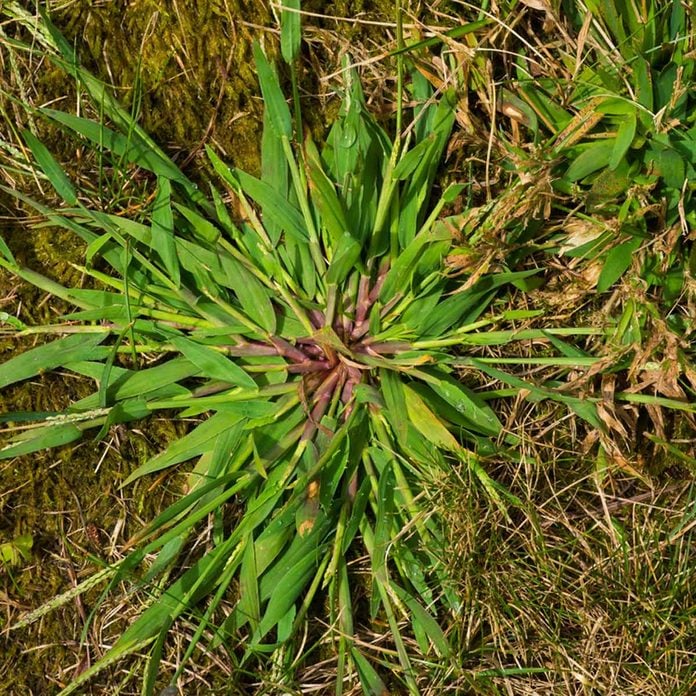
Crabgrass
Sprawling similar a crab'due south legs, this scourge of lawn perfectionists often pops upwardly at the edges of a one thousand, fences and whatever place it can wedge into a chip of open up dirt. It's common enough that there are enough of pre-emergence herbicides (too called crabgrass preventers) that yous tin can utilise to your backyard in the spring. Even meliorate for getting rid of crabgrass would be a combination of lawn fertilizer and pre-emergence herbicides, which you lot tin find in most domicile improvement and hardware stores.
4 / 13
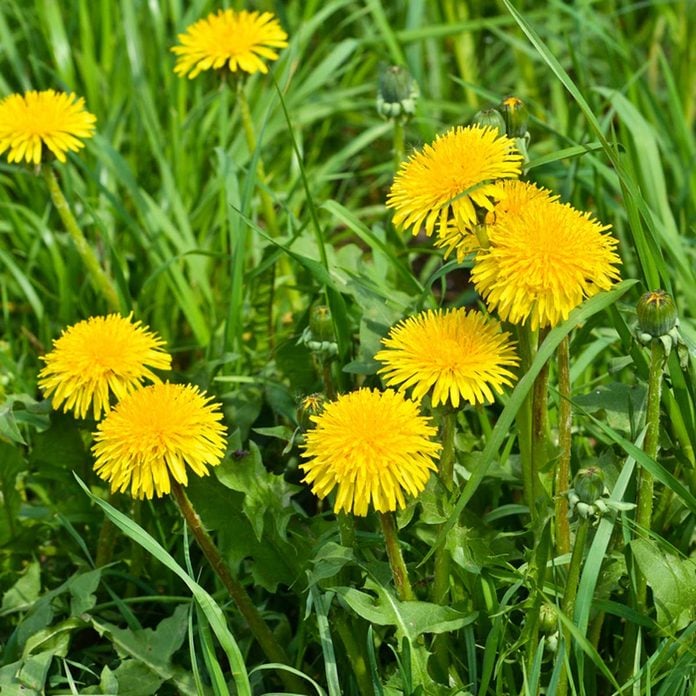
Dandelion
It you can tackle dandelions by hand, a daisy grubber or weed puller loosens the tap root to make it easier to pull from the ground. If you want to put the weed to use, add dandelion leaves to a salad and use the flowers as a natural dye or for dandelion wine.
To kill the dandelions, use vinegar, clove oil or other organic spray spritzed directly on the leaves on a dry twenty-four hours. Inside a few hours, leaves should wither and dark-brown. If yous demand to mow a dandelion-dotted yard, bag up clippings to keep the seeds from replanting.
5 / xiii

Mutual Ragweed
If you're among the 23 1000000 Americans who are allergic to ragweed pollen that hits in mid-August, you'll want to eliminate this feathery-leafed weed with tiny yellow blossom clusters. Information technology grows upwards to four feet high and prefers heavy soils in fractional shade or full sun. Remove it by hand or use a broadleaf herbicide (glyphosate will work) in belatedly spring or early on summer when ragweed is still pocket-sized. Keeping it mowed and unable to flower also will help.
six / thirteen
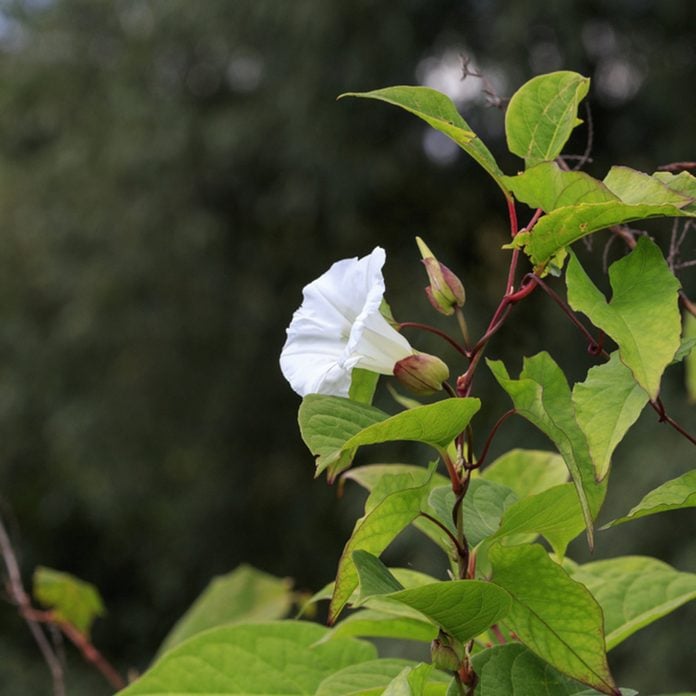
Field Bindweed
This weed'south white (or stake blue or pinkish) trumpet flowers evidence its relation to the forenoon glory family unit. It's classified as baneful, though, and is notorious for taking over areas with poor soil and dry out conditions that might stress other plants. Bindweed can spread 10 feet in a single flavour and sink its roots nine feet deep, which helps it resist post-emergent herbicides, according to the Oregon Extension Service. Use a garden fork or weeding tool to find and pull the roots.
7 / thirteen
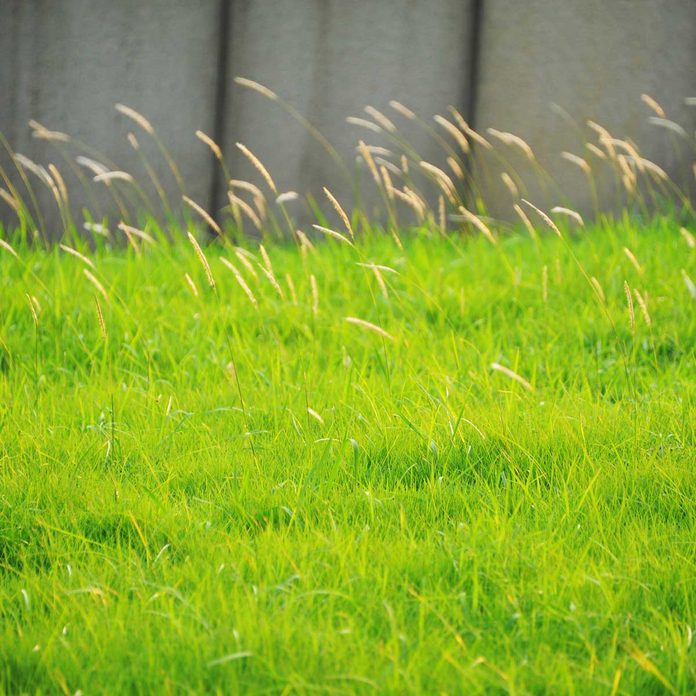
Foxtail
This aptly named annual grass features a bushy seedhead like a fox'southward tail that bounces atop the stem. Information technology thrives in moist or dry soil and grows quickly. The all-time defense if you've had a problem with this weed is similar to crabgrass: Strike in the bound with a pre-emergent herbicide or a combination pre-emergent and lawn fertilizer mix.
8 / 13
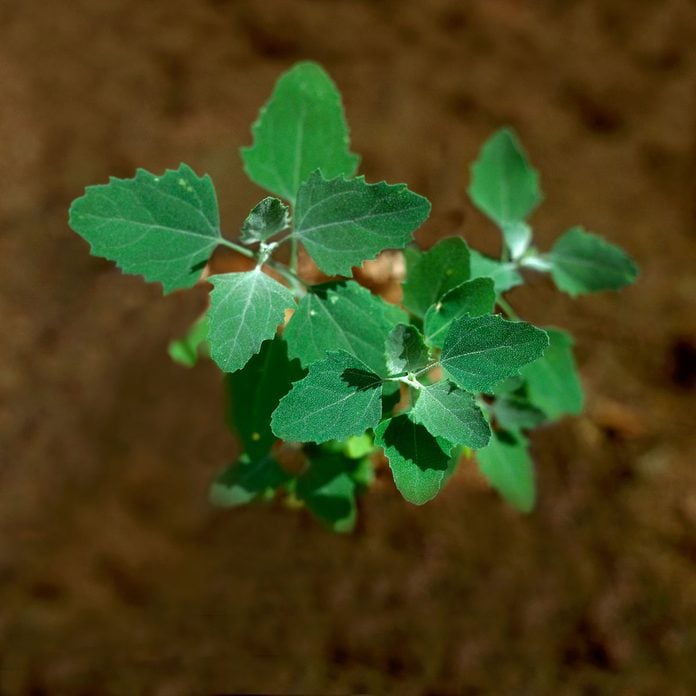
Lambsquarters
Among the most mutual weeds in America, lambsquarters reseed each twelvemonth and seem especially common in gardens among root crops and beans. They can grow up to four feet alpine with scallop-edged trowel-shaped leaves with gray undersides. Weed them early in the season or collect them to sauté in olive oil. Foragers claim they accept more than calcium than spinach. If they're invading your grand and at a safe altitude from your garden, you can endeavor a mail service-emergent herbicide.
9 / 13
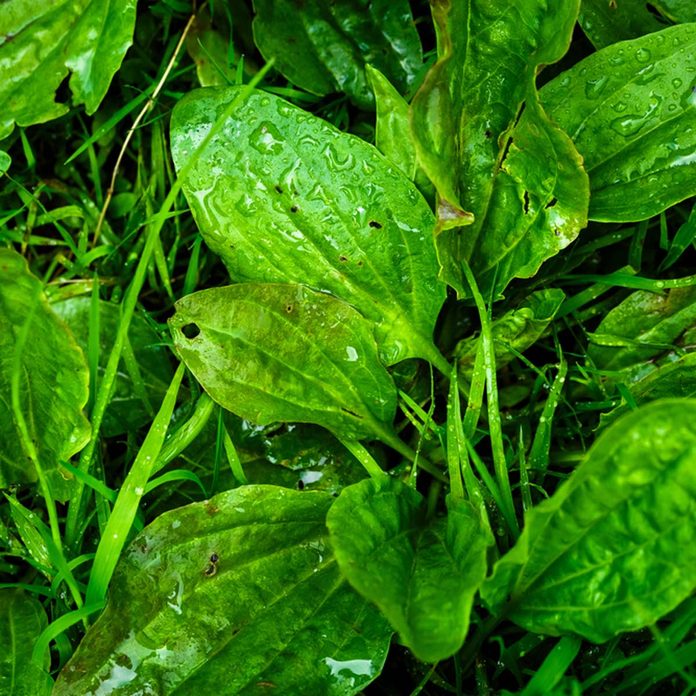
Plantain
There are several variations of these depression-growing rosette-shaped weeds that shoot up a flower similar y'all'd see inside a calla lily or Jack in the Pulpit. These perennials grow up to a pes tall in moist yards and gardens and can produce fifteen,000 seeds per found. Pull these by paw or utilise a post-emergent herbicide to knock them dorsum.
10 / 13
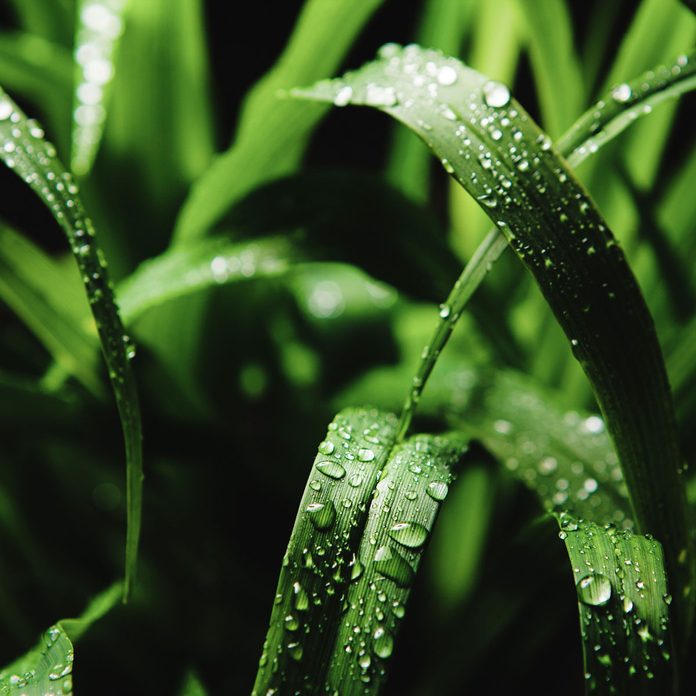
Quackgrass
Perennial quackgrass likes cool atmospheric condition and sprouts flowers that look similar to wheat. It ranges across the continent and grows to three feet alpine in the sun or shade. Yous can mow it regularly to go along it from getting the nutrients information technology needs to multiply and thrive. You can likewise remove it by manus or use an herbicide while existence careful not to affect surrounding grasses or plants.
11 / thirteen
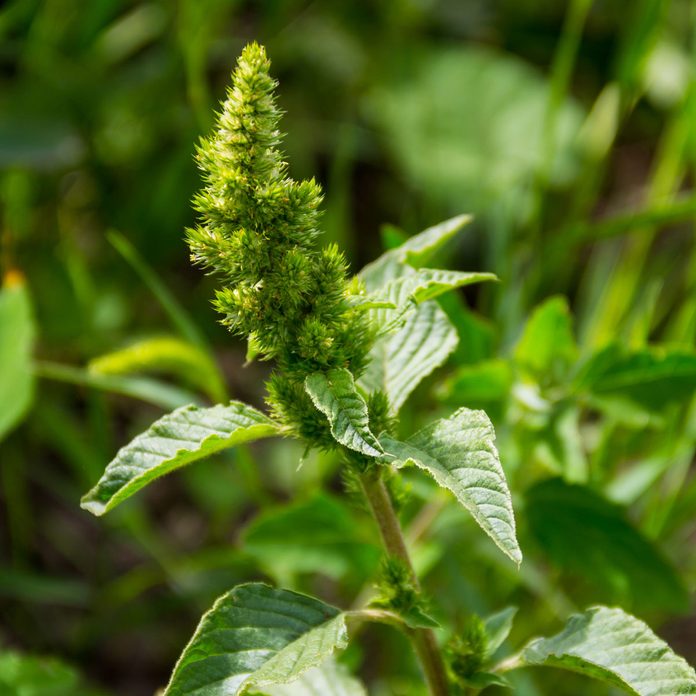
Red-Root Pigweed
This annual weed from the amaranth family grows hairy clusters of dark-green flowers and can stretch upwards to vi feet tall in places. Some cultures will eat this institute and/or its seeds, simply with 1 plant producing 100,000 seeds, most lawn gardeners don't want to risk an invasion. It may have a resistance to post-emergent herbicide, such as glyphosate, and may need pulling past hand.
12 / xiii

Stinging Nettle
Thriving in rich, moist soil, this invasive establish with sawtooth leaves grows up to 5 feet tall. Information technology'due south best known for its sharp hairs that tin cause small welts or a miserable rash. Nettles need to exist carefully pulled from the basis using protective gloves. Encompass upward your artillery and legs, too. Bag them for your garbage or chiliad waste pickup service.
13 / 13
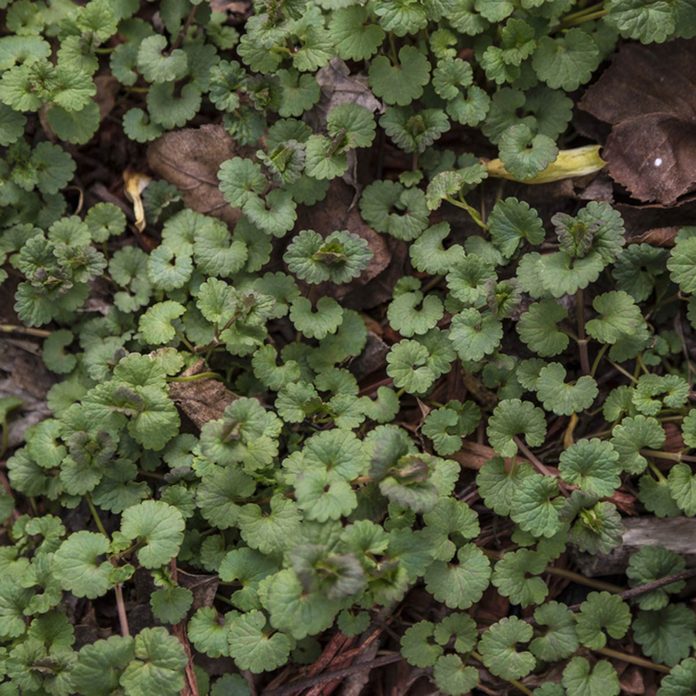
Basis Ivy/Creeping Charlie
This widespread perennial groundcover with tiny purple flowers comes from the aggressive mint family. It rapidly carpets shady areas as copse or shrubs grow and sun-loving grasses below them begin to falter. Pull it out by hand when dirt is loose after a pelting. Tug gently to get the entire vine equally if you were unearthing a cord of Christmas lights. Any sections left behind in the dirt will grow back. To tackle a big invasion, try a broadleaf herbicide or apply black plastic sheeting to kill off all the plants. Replant the area with grass that tolerates semi-shade.
Originally Published: March 03, 2021
Source: https://www.familyhandyman.com/list/common-weeds-and-how-to-remove-them/
0 Response to "Its Spring Again and the Yard Is Full of Tiny Flowers You Used to Call Them Weeds"
Post a Comment